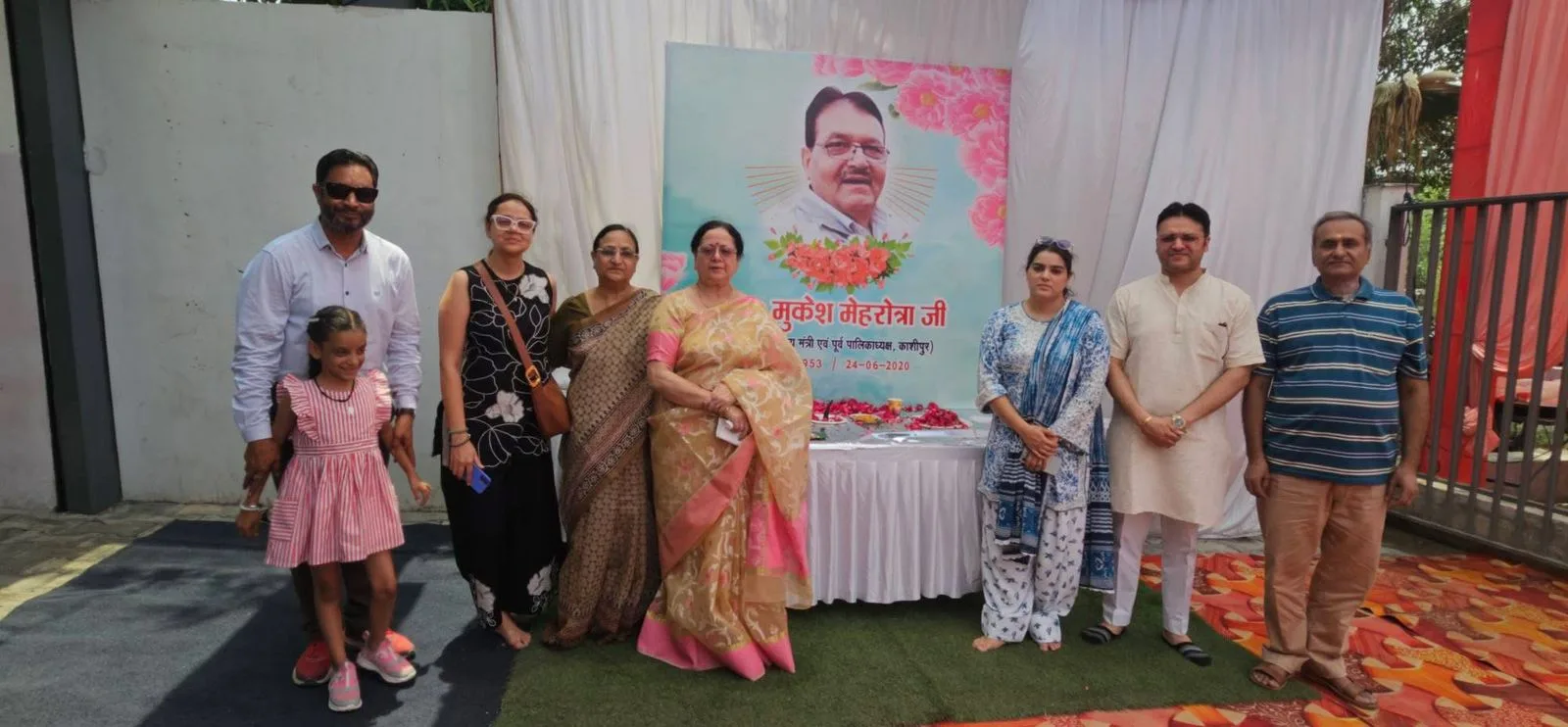
Six years. On paper it sounds like a long time. In a heart, it is no time at all. On the 24th of June we drove to Kashipur to remember my father, Late Shri Mukesh Mehrotra — and for the whole journey, the road simply disappeared, and all I could see was him.
The road to Kashipur
There is a particular kind of quiet that settles in a car on a long drive to a place full of memory. The fields went by, the towns went by, and somewhere between them my whole childhood went by too. I thought of his voice. I thought of the way he said my name. I thought of how much of who I am was shaped sitting beside this man — learning, without realising I was learning, how to treat people, how to carry responsibility, how to be both strong and soft at the same time.
By the time we reached Kashipur, I had lived a hundred small moments with him again. That is the strange mercy of grief: it gives you back the person, mile by mile.
The town that still calls him its own
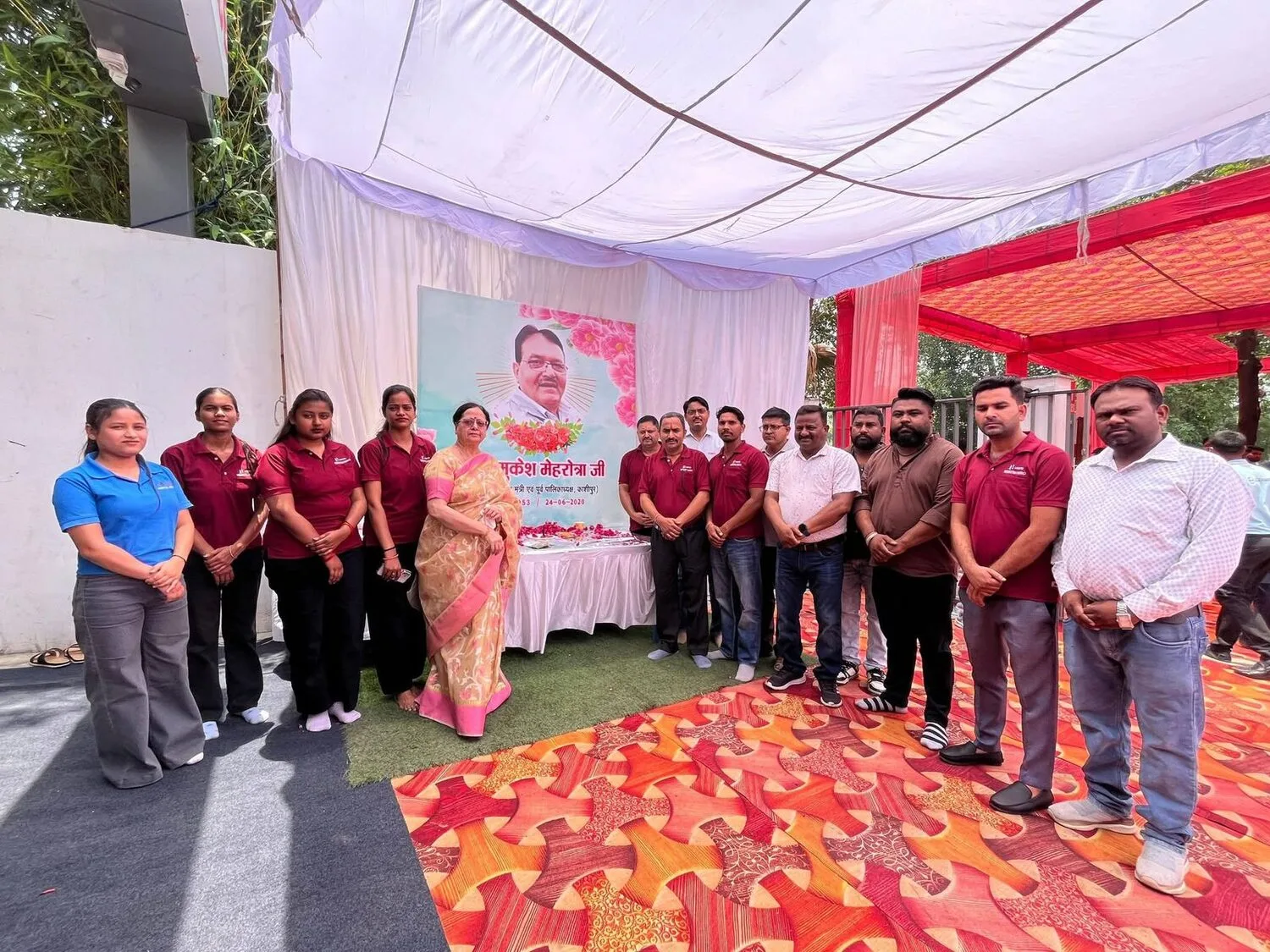
My father was a people’s man — Chairman of the Kashipur Nagar Palika Parishad and conferred the rank of Minister of State (Uttarakhand), yes, but more than any title, he was the man the town turned to. And six years on, the town has not forgotten. Friends, well-wishers, old colleagues and ordinary citizens gathered again before his portrait to pay their tribute — the same faces who once came to him with their troubles, now coming to honour his memory.
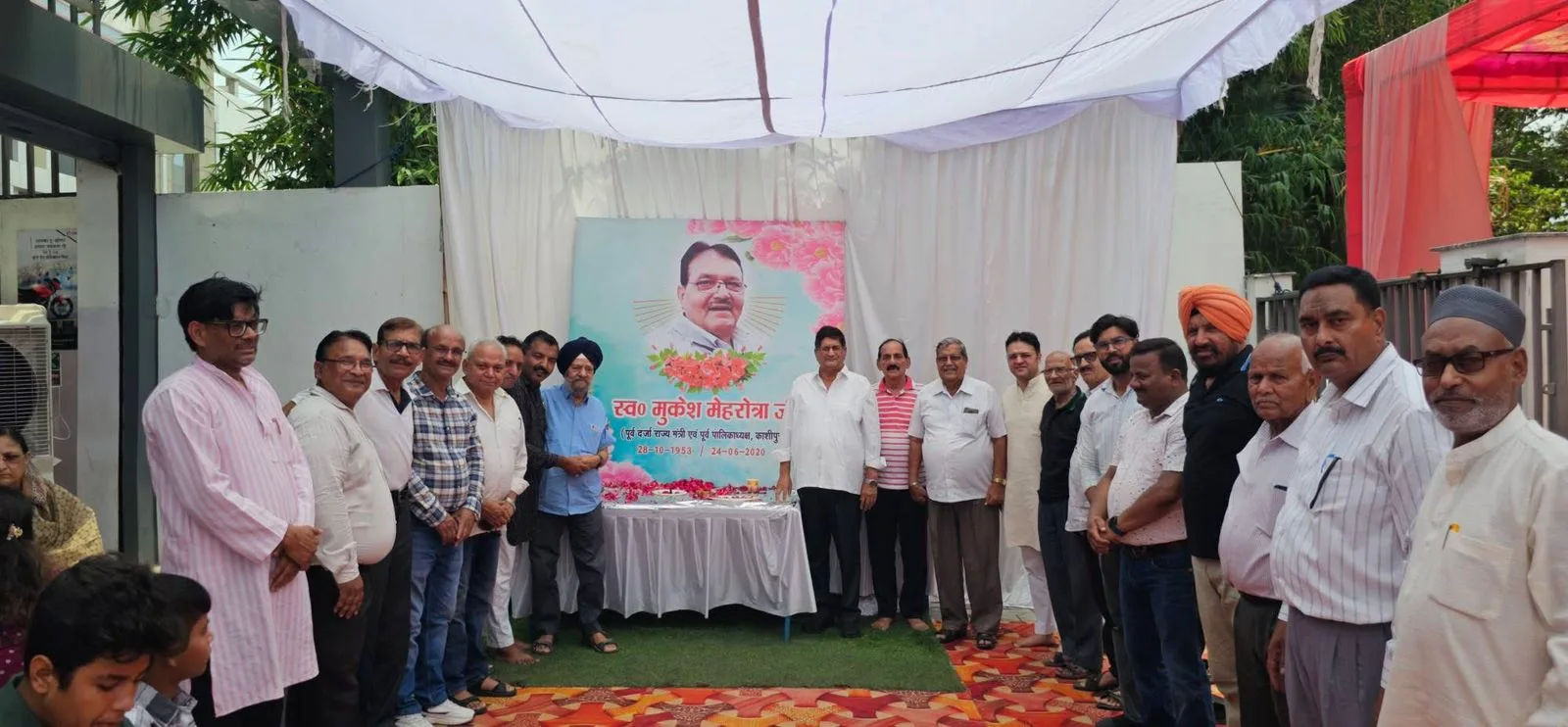
To watch a town remember your father like this is a gift I did not expect grief to give. It told me, again, that a life of service does not end when the man does. It keeps living in the people he touched.
My mother’s heart
And then there is my mother, Beena Mehrotra. I will be honest, because she deserves honesty: six years have not brought her back to herself. Their bond was so deep, so woven into every single day, that losing him was not like losing a husband — it was like losing the air she breathed. She smiles for us. She shows up. She stands tall beside his portrait. But those of us who love her can see the part of her that is still waiting for him to walk back in.
I have stopped trying to “help her move on.” Some loves are not meant to be moved on from. All I can do now is sit beside her, hold her hand, and let her miss him as much as she needs to. That, too, is love.
My brother Arpit, in his father’s shadow
My brother, Arpit Mehrotra, grew up in Papa’s shadow — and I mean that as the highest compliment. He was shaped by him, guided by him, measured against the gentlest of standards: be a good man, be useful to people. Arpit still misses him every day, in the way only a son who admired his father can. On the anniversary, it was he who stood where Papa once stood — quietly carrying forward the name, the values, the responsibility.
Seva — the way he lived
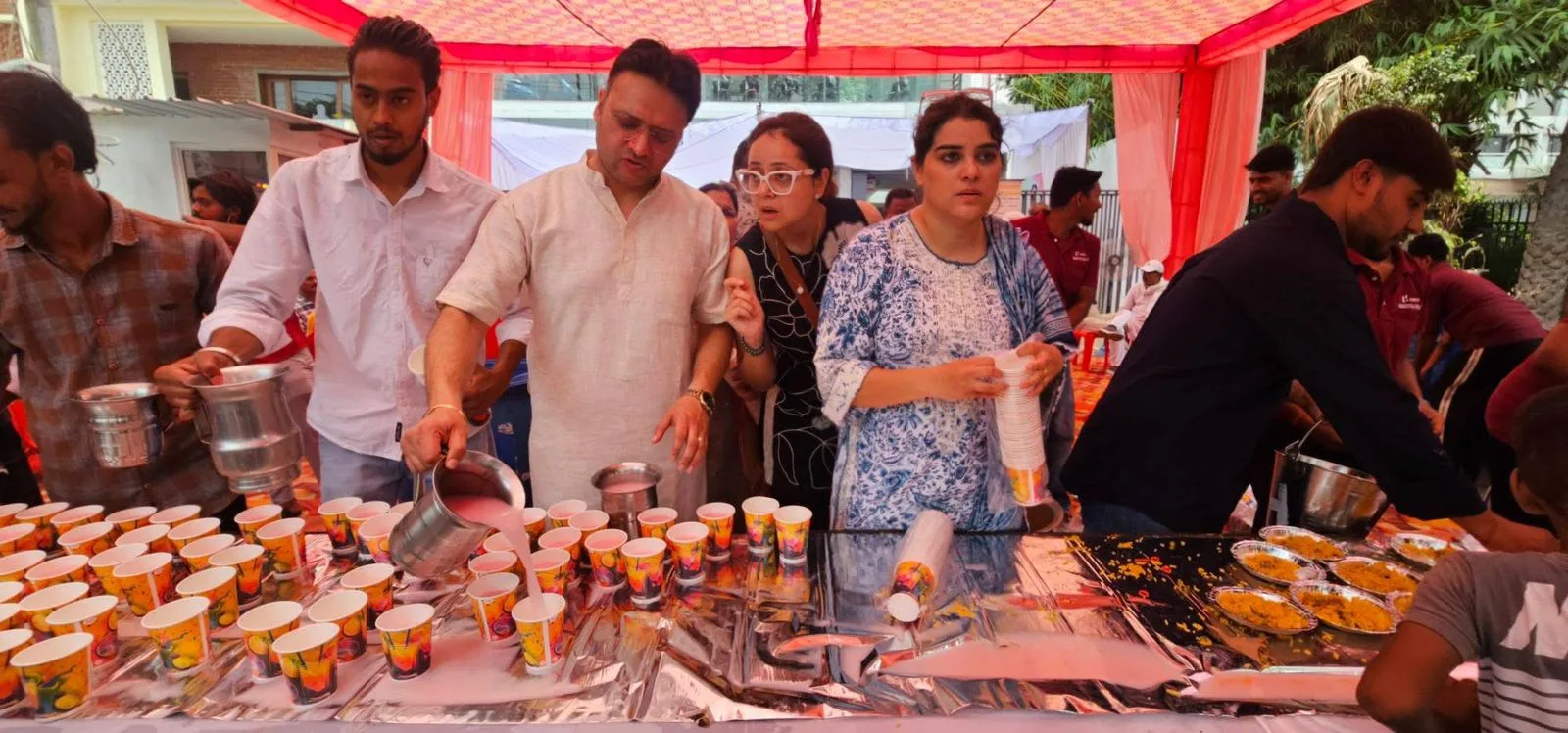
We did not only light a lamp and stand in silence. We served. Together we offered food and refreshments to everyone who came — because that is exactly how my father lived. He believed that you honour God by serving people, and that no one should leave your door hungry or unheard. To do seva in his memory felt more like him than any speech ever could.
What grief becomes
Six years have taught me that grief does not shrink — it changes shape. It becomes gratitude. It becomes the way I greet a stranger, the way I refuse to walk past someone in need, the way I try to make my own children kind. My father is gone from the room, but he is not gone from me. He is in every value I live by.
As I drove back from Kashipur that evening, the road reappeared. The fields returned. Life, gently, asked me to keep going. And I will — carrying him in everything I do, the way my mother carries him in her heart, and my brother carries him in his name.